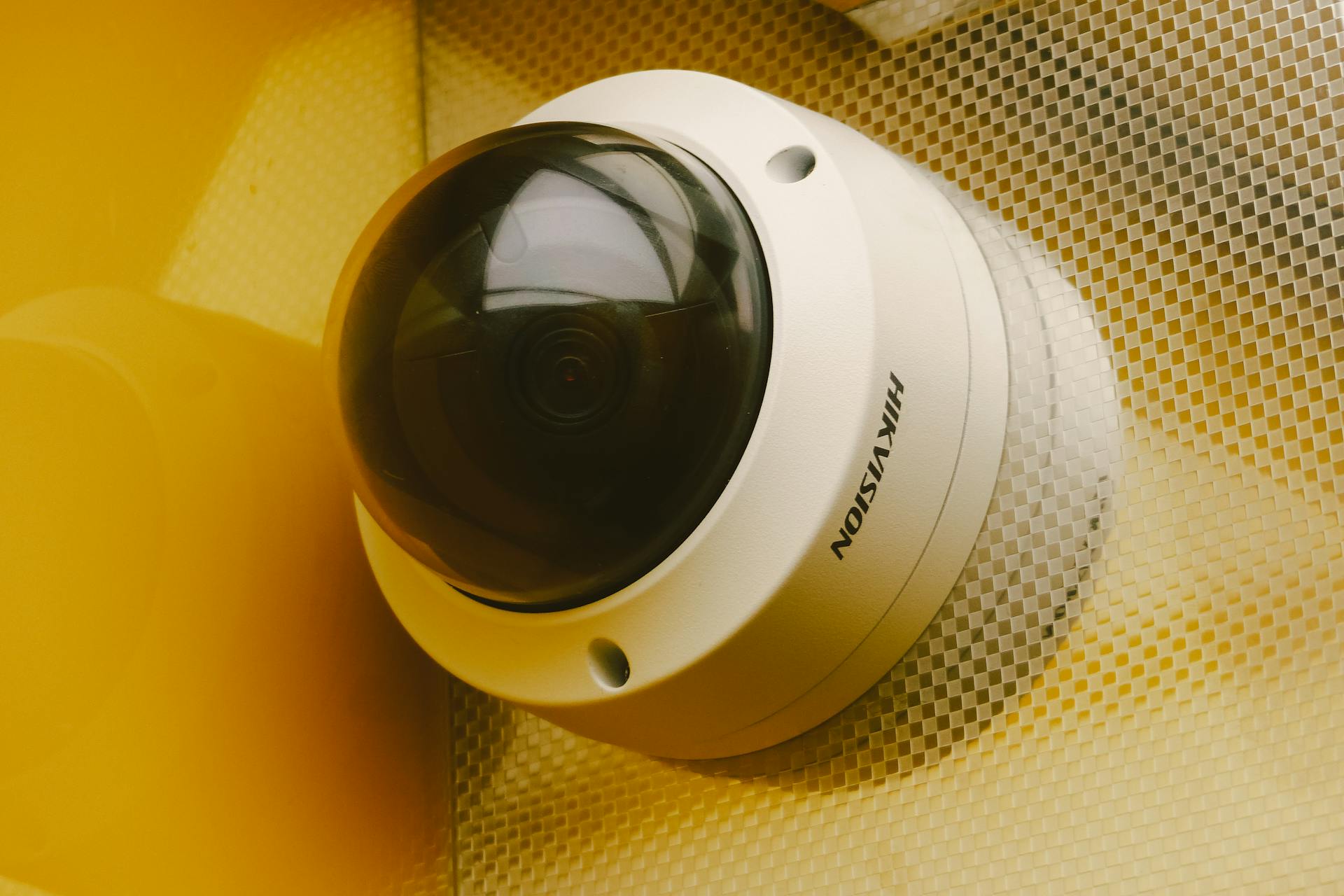
Installing CCTV without a plan often leads to blind spots, wasted budget, and weak evidence. A professional setup begins with goals: what must be monitored, how detailed the footage needs to be, and how long the recordings should be stored.
Start With Purpose
- Do you need identification (faces/plates) or general monitoring?
- Indoor, outdoor, or mixed environment?
- Retention policy: 7 days, 30 days, or 90 days?
Camera Types at a Glance
| Type | Best For | Notes |
|---|---|---|
| Bullet | Outdoor perimeter | Long range, visible deterrent |
| Dome | Indoor areas | Discrete and vandal‑resistant |
| PTZ | Wide coverage zones | Motorized, requires monitoring |
“Good CCTV is not about the number of cameras—it’s about the clarity of evidence.”
Resolution & Lens Planning
Resolution affects detail. Lens determines angle and distance. These two must be planned together:
- Higher resolution = clearer evidence but higher storage usage
- Wide lens = larger coverage, lower detail at distance
- Varifocal lens = flexible setup for uncertain angles
Storage Planning (Don’t Guess)
| Factor | Impact on Storage |
|---|---|
| Resolution | Higher res = larger files |
| FPS | More frames = more storage |
| Night vision | More noise, larger files |
Placement Checklist
- Cover all entry/exit points
- Avoid glare from windows/lights
- Ensure camera height prevents tampering
- Test angles before drilling
Final Recommendation
Professional CCTV is built on planning—goals, coverage, and response. If you need help choosing the right system, start with a site assessment and future expansion plan.
Leave a Reply